
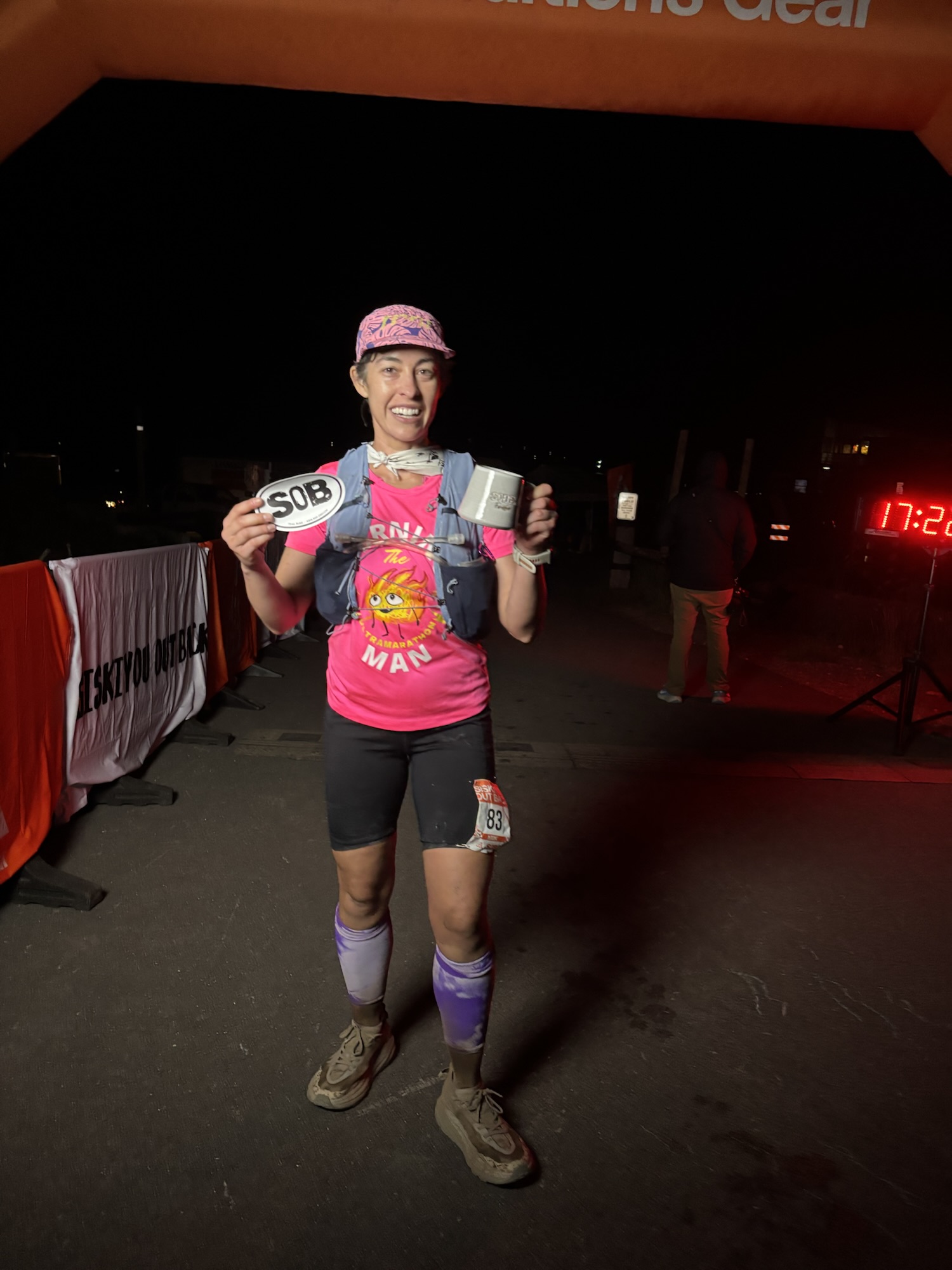
On Saturday, I ran the Siskiyou Out Back 100k. I finished in just about 17 hours. Mentally, I am in a pretty bad headspace about this race and this result. Despite finishing, it was really hard, and I was pretty frustrated / very mentally negative throughout most of the race.
I chose this race because:
- It was close enough to where I live (Ashland, Oregon – super short flight)
- It has a cool name
- It’s a WSER qualifier
Course
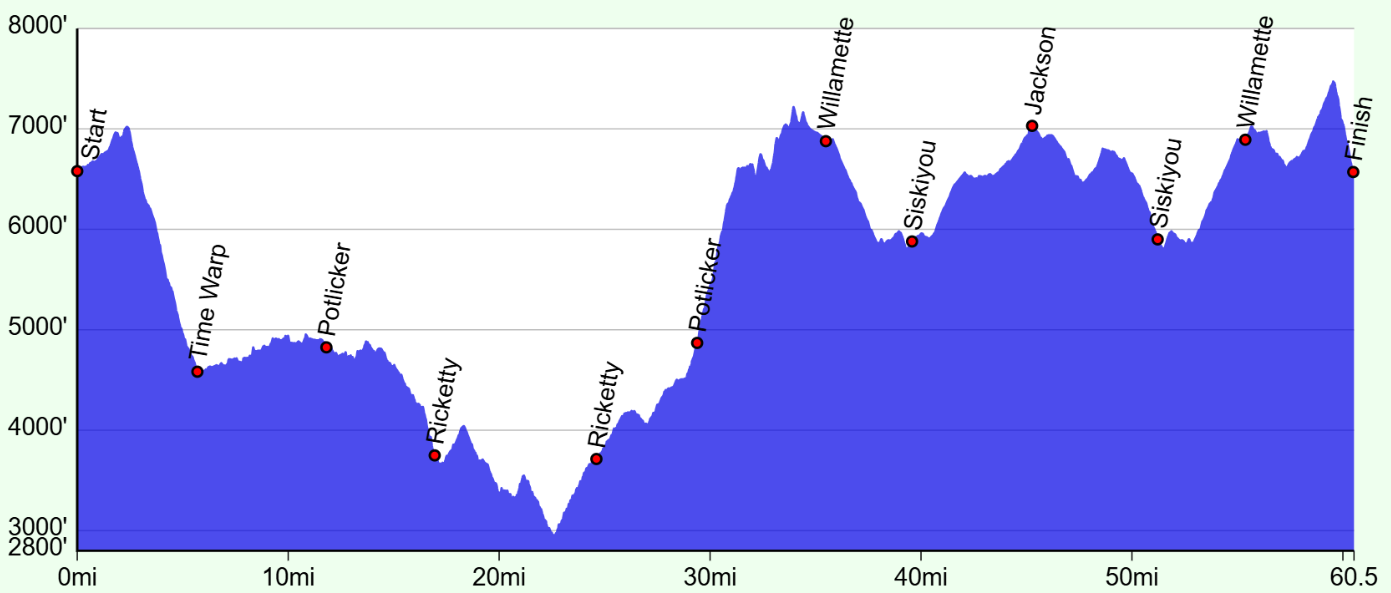
10,500 feet of climbing over 100k (62 miles). Features include:
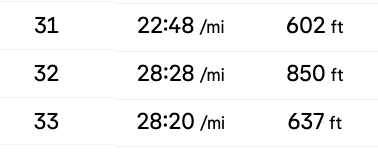
- A 4,000 foot climb in the first half of the race, including two miles of 600 feet each of climbing, between which was one 850-foot mile.
- The back half of the race all over 6,000 feet of altitude (this was really tough for me)
- The last mile (in the dark, because I was slow) with -550 feet of descent, on a rocky single-track trail with many switchbacks and softball-size hunks of loose granite (I walked this downhill section)
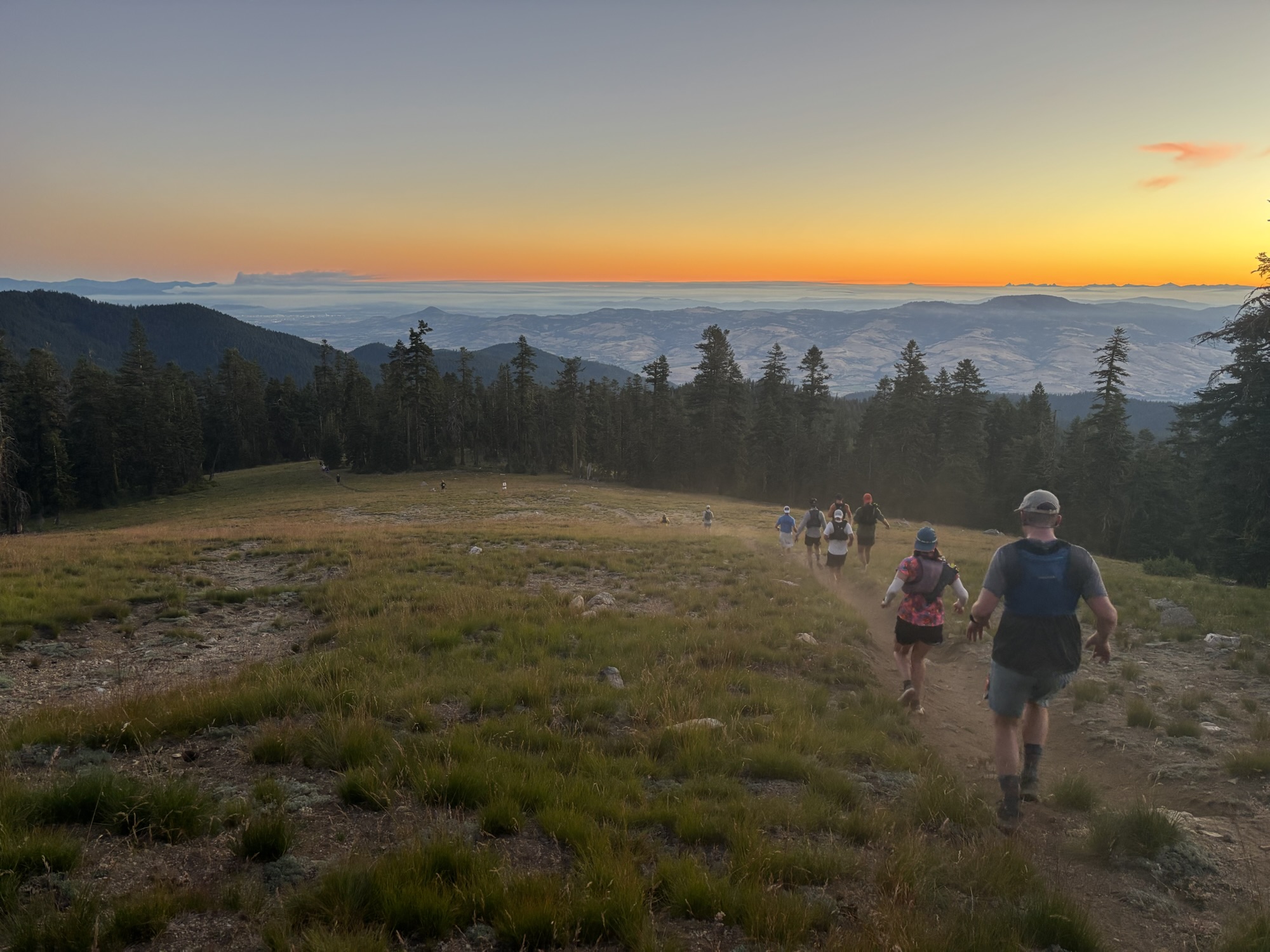
- Sunrise, and (if you’re slow, like me), sunset
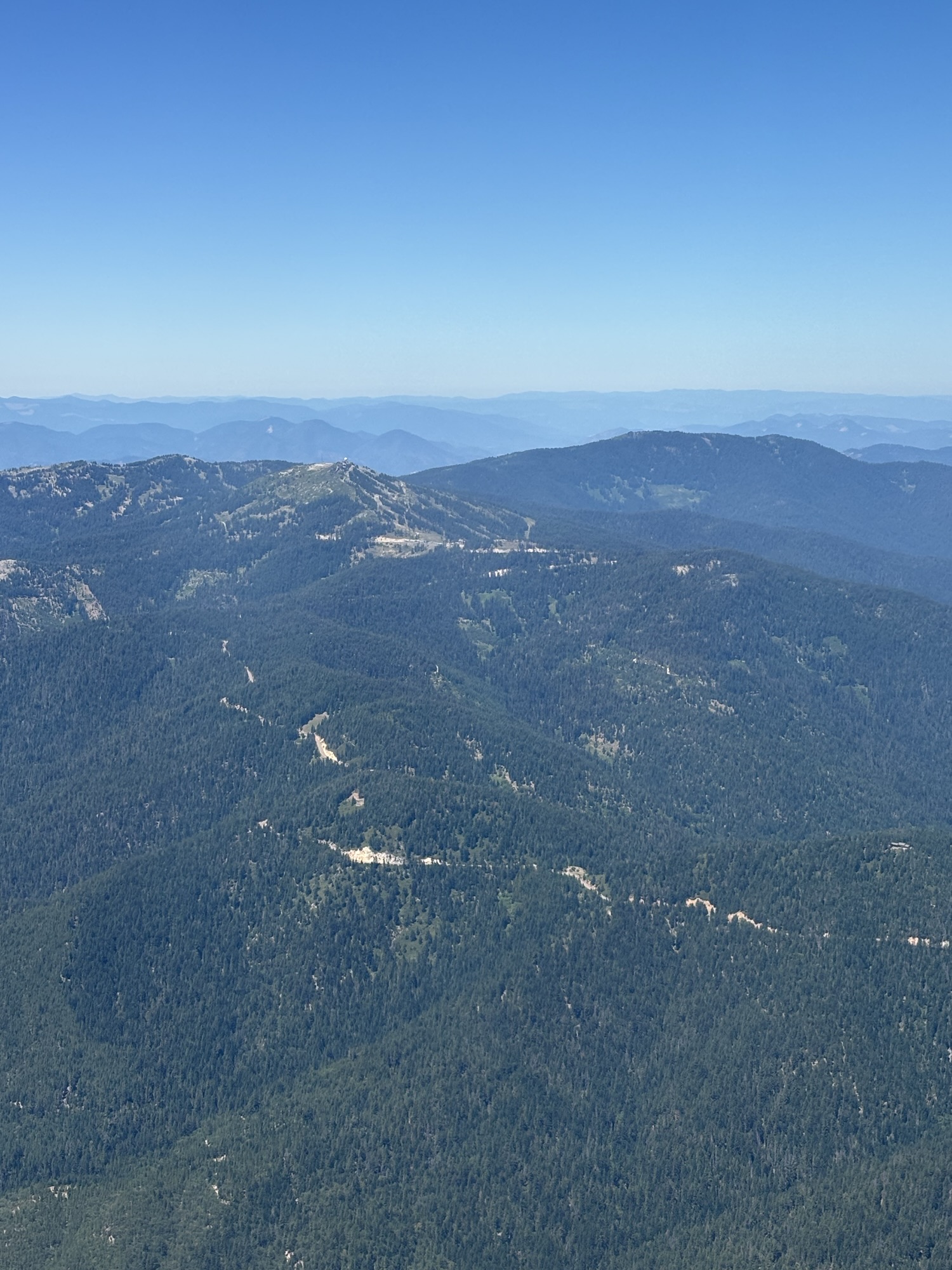
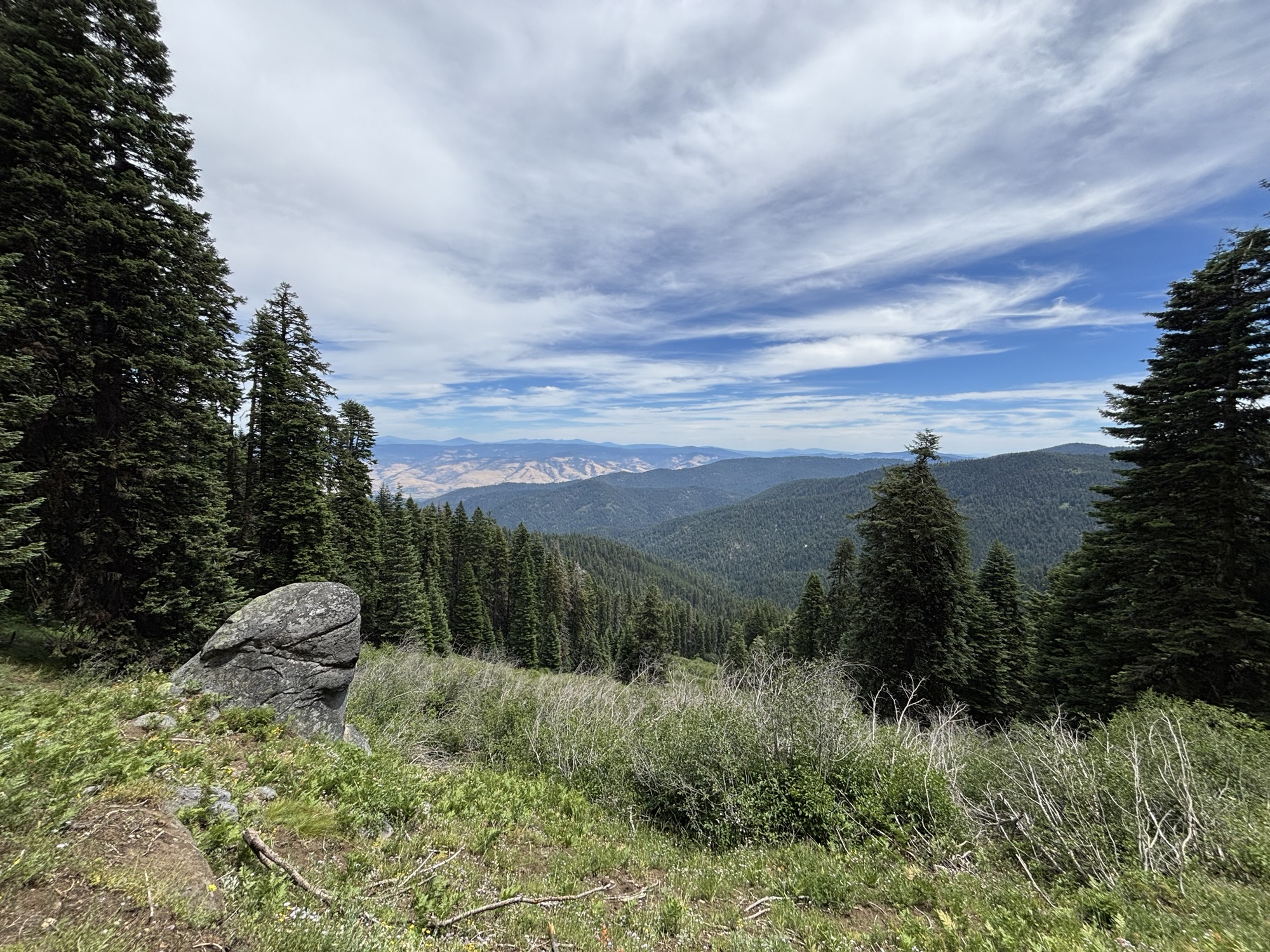
- Views of Mt Shasta and other mountains
Training
My training was pretty okay – I had a bunch of 70-80 mile weeks and two over 80 towards the end, with a bunch of weeks over 10,000 feet of climbing. I also have been doing a lot of strength training (1-2 hours/week), and at least 1x/week of cross training (either swimming or biking). I did 1-2x/week of hill power-hiking (hike the up, run the down).
2025 was a bad running year for me, so I felt like I was simultaneously building a base while training for this race. That said, I felt prepared going into it. And THAT said, t I actually don’t think this was enough training for this course.
The race itself
📉 The downhill (0-24.5ish)
The first section of the course was great. We started around 6,500 feet, climbed a bit to 7,000, then cruised downhill for a basically 20 miles. The sun was coming up, the trail was beautiful, and the terrain felt extremely runnable.
I got stung by a bee at one point because it got caught in my bandana, but other than that, everything was fantastic along this section. (Bees GONE. f’em.)
📈 The uphill (24.5m-35.5ish)
The real climbing started around mile 24 or 25 (nobody’s watches agreed with the aid station distances, which is another story). The first part of this climb wasn’t so bad. Getting into the Potlicker II aid station (mile 29.5) was pretty steep, but not unmanageable, and on paper, it looked like half of the major climb was over by that point.
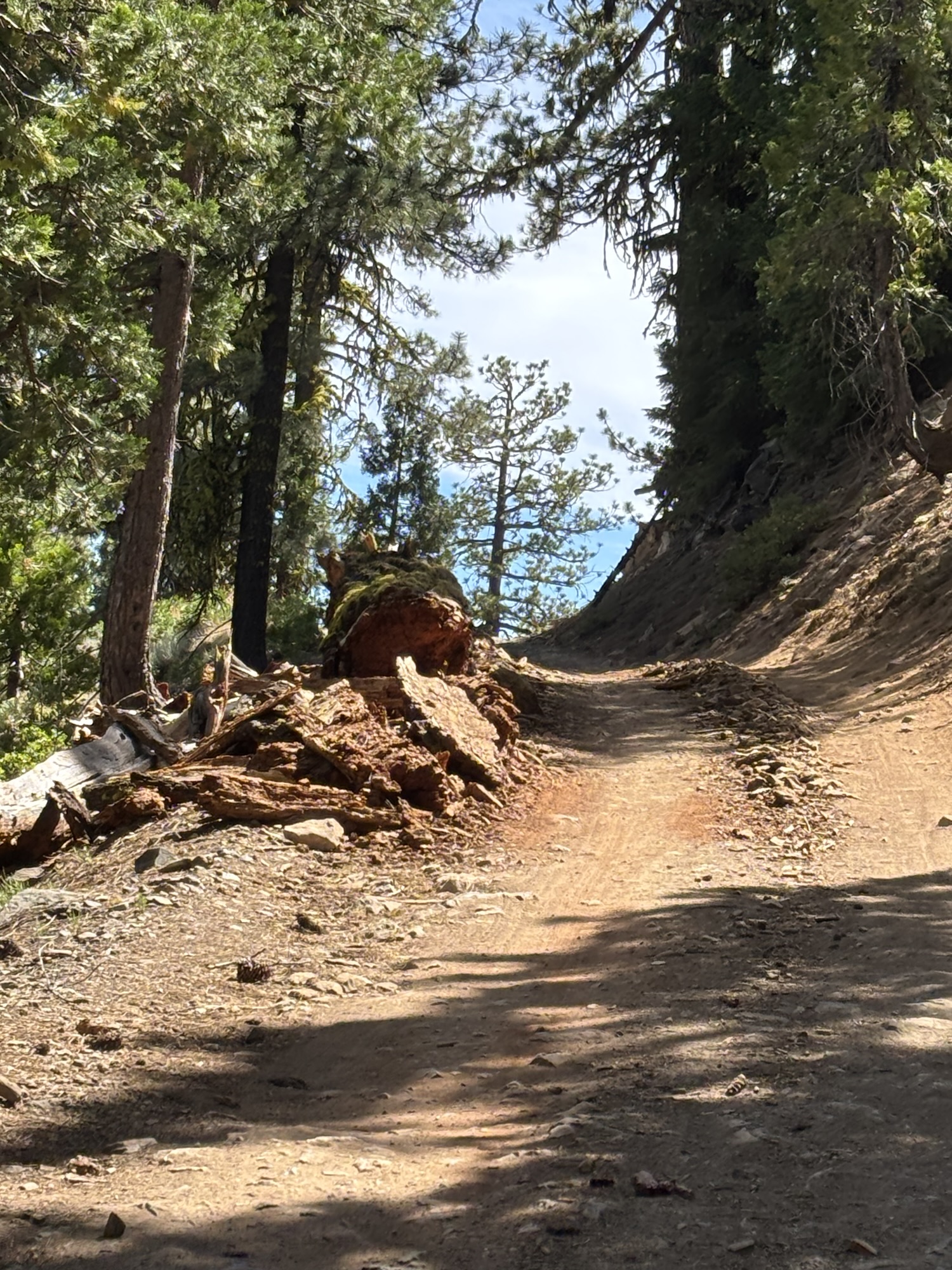
However, the next several miles were brutal. This next section included several consecutive miles of more than 600 feet per mile of climbing, including a mile of 850 feet. There was some scrambling – I was using my hands at parts.
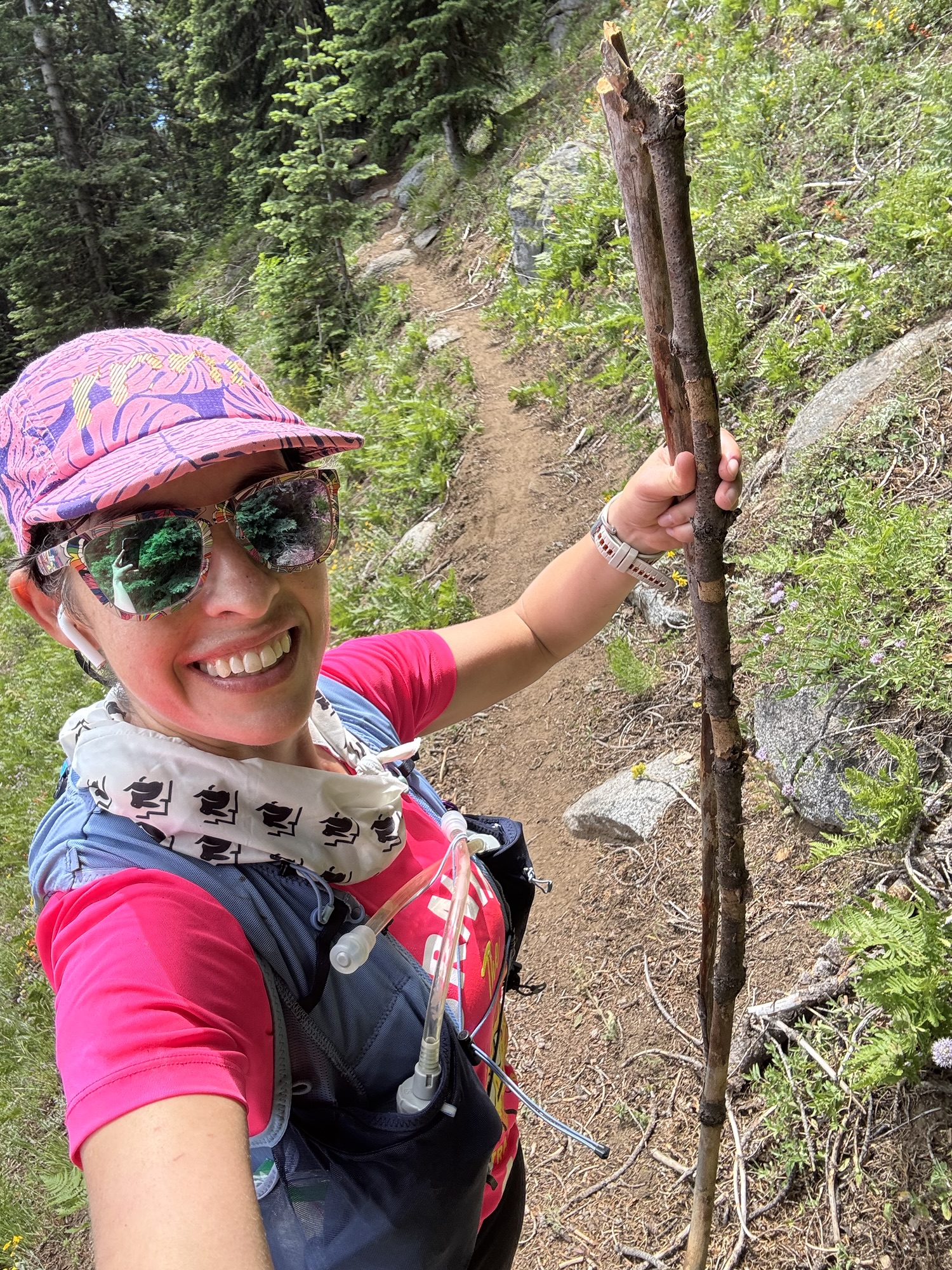
I had considered bringing poles for this race – something I’ve only ever done at one other race because I’m not super coordinated – but, stupidly, decided against it. Poles would have been VERY helpful. I highly recommend that anyone who reads this report & decides to do this race in the future bring poles. This uphill section was all through the trees (which had shed branches), so I actually ended up grabbing a stick from the side of the trail – the original trekking pole! That first stick immediately broke, so I entertained myself by finding other sticks that would work, and eventually found two that didn’t suck. I got a lot of compliments on my Nature’s Original Leki Poles (TM) (Leki, call me!) and found that they did actually help.
I knew a lot of this section would be walking / hiking and that it might be mentally hard, so for the first time in maybe a decade or more, I did bring music to listen to. However, I did not plan ahead by downloading offline music. Since there was no cell reception, I was stuck with whatever offline music I had on my phone. So that meant choosing between either my Peloton ‘Liked Songs’ playlist (I tried it, and it was WAY too high energy/intense for this race) or some sweet 1990s hits. Dishwalla, Sugar Ray, and Hootie and the Blowfish got me through this section.
There’s a false summit somewhere around 34, where you think you’ve gotten to the top of the major climb because you’ve gotten to a ridge. A lot of us were insanely demoralized at this point due to how hard the climb had been up to that point, but thought that we had got to the top so the worst was over. I was grumpy but optimistic, because a race like this is long enough that you can feel bad, but then it turns around later. However, the next two miles were still another ~400 feet of combined climbing, and by this point we were back at 7,000 feet, so that was … still hard.
📊 The rest of the race (35.5-63 or whatever)
The last 30 miles of the race were also hard and I was in a terrible headspace. My legs and muscles generally felt fine, but the altitude was not something I had trained for at all, and the rest of the course was all above 6,000 feet.
Relevantly, I learned last year that I have thalassemia – a genetic disorder which makes my blood bad at carrying oxygen. Obviously, blood oxygen is an important factor in sports performance. In retrospect, this disorder explains a lot about my athletic performance as a kid. I struggled to run a mile and always finished in the bottom two. I always looked for the “easiest” position in ball-based sports – usually defense (but not goalie), because defense required the least movement and least responsibility. I also really hated team sports in general, because I felt like I was always the weakest link on the team and didn’t want to let my teammates down.
It occurs to me now that thalassemia is also why I (1) struggle with uphills and (2) struggle with altitude. Both of those scenarios are highly oxygen-demanding. I think this last section was tough partly because of this. I was breathing extremely hard and my body was probably not getting enough oxygen to perform where I wanted it to / expected it to.
As I said earlier, I was psychologically in a negative spiral for the majority of this last 50k. I knew I was going to finish, but I was moving much more slowly than I wanted to. Every hill felt impossible. Every aid station felt farther than it was supposed to be (to be fair, this was likely the case for at least some of them). Everything was annoying – while I appreciated that Nike sponsored the Jackson aid station, due to how the aid station was positioned on the trail, I heard their DJ’s music for about an hour before I got to the aid station. While I wasn’t hallucinating, I was in the early stages of hallucinating – where you think you see something that should be there (a bunch of coffee cups on a log, or a dog on the trail), and it quickly resolves into the thing it actually is (some branches coming out of the log, a rock). At one point, I texted a friend to talk me off the ledge and do the “you can make it to the finish” math for me, just because I knew my brain wasn’t firing at 100%.
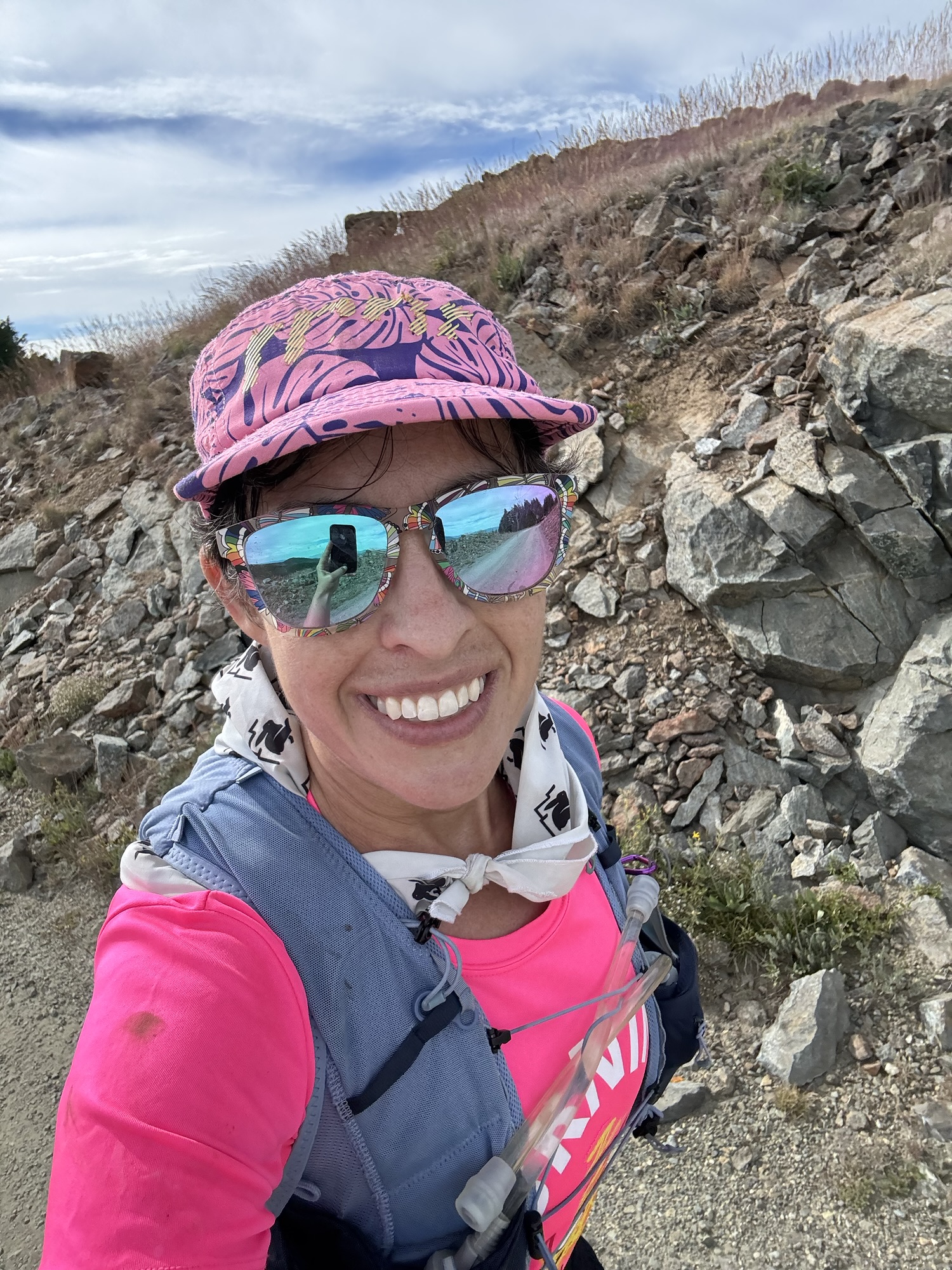
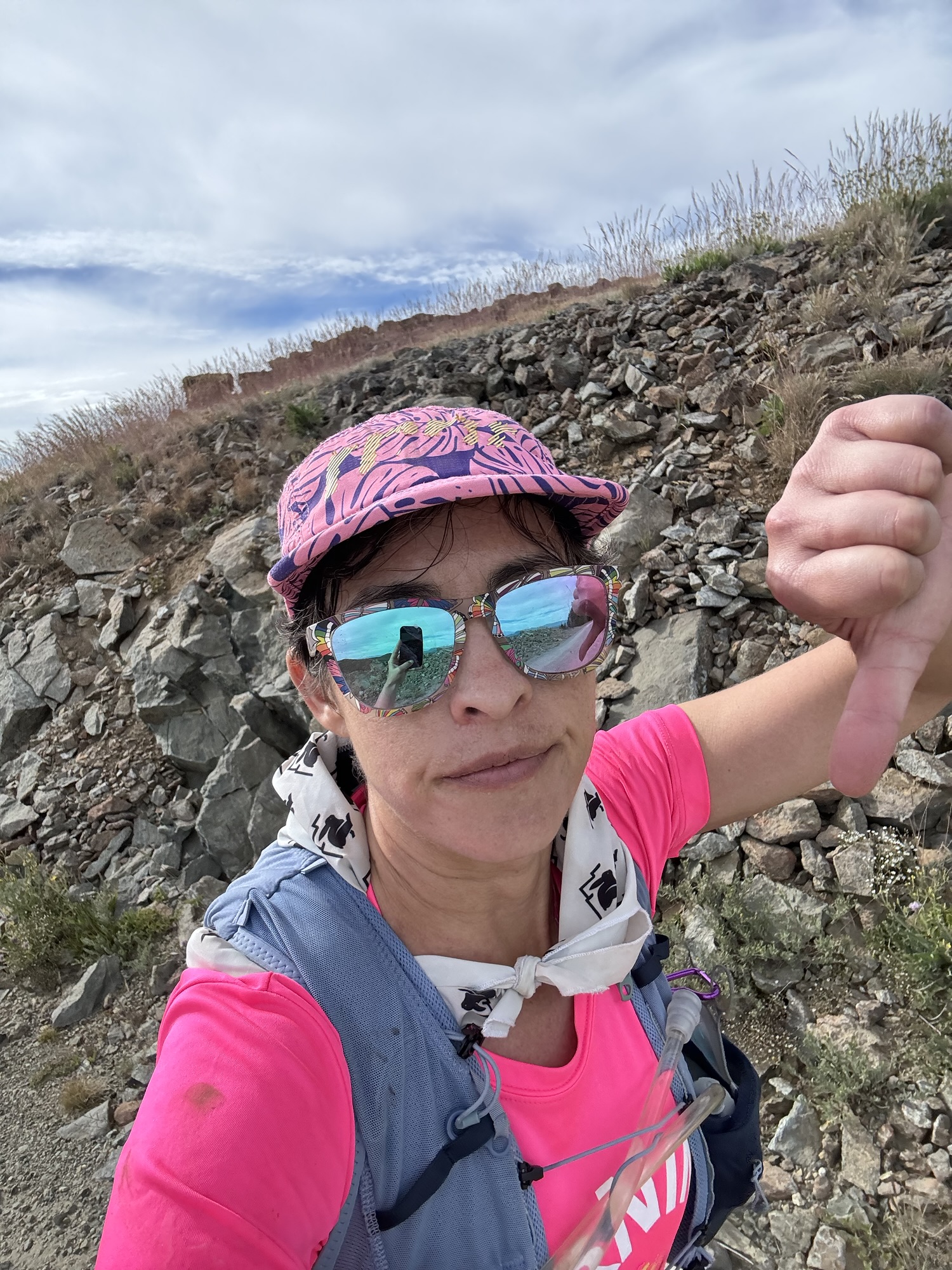
The bee sting from earlier was actually pretty helpful along this section. Sometimes the bee sting hurt a little bit, and it was actually a welcome relief, because it distracted me momentarily from all the other things that hurt.
The course markings were also … very challenging throughout the course, due to how sparse they were. There was an intersection on the way out & back from Jackson where MANY people got lost. I personally spent five minutes just trying to figure out where to go at that intersection. About four of us coming from the same direction had to stop and ask directions from spectators & runners coming from the other way. We also had picked up a runner who had probably added a mile to his race by missing a turn at that intersection and going the wrong way on the way back.
I was so out of it, that when I got to the last aid station (Willamette 2), I was so focused on getting out of the aid station that I didn’t even notice Zach had shown up to surprise me at it! It was great to see him on the course, especially since it’s a bit of a pain to get out there. (In my defense, he was wearing a jacket I had never seen before, and, as I mentioned, my visual processing was trash at this point).
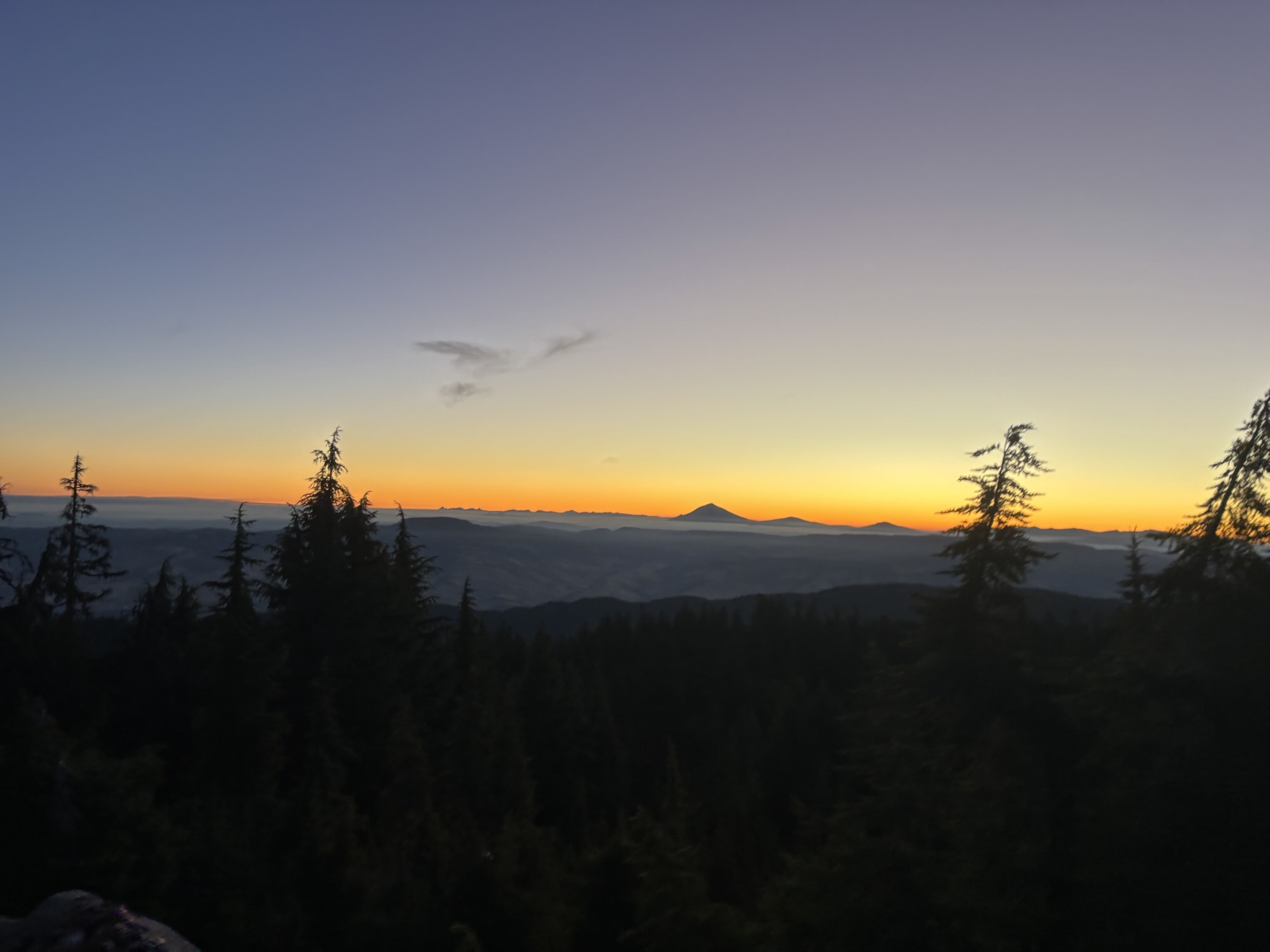
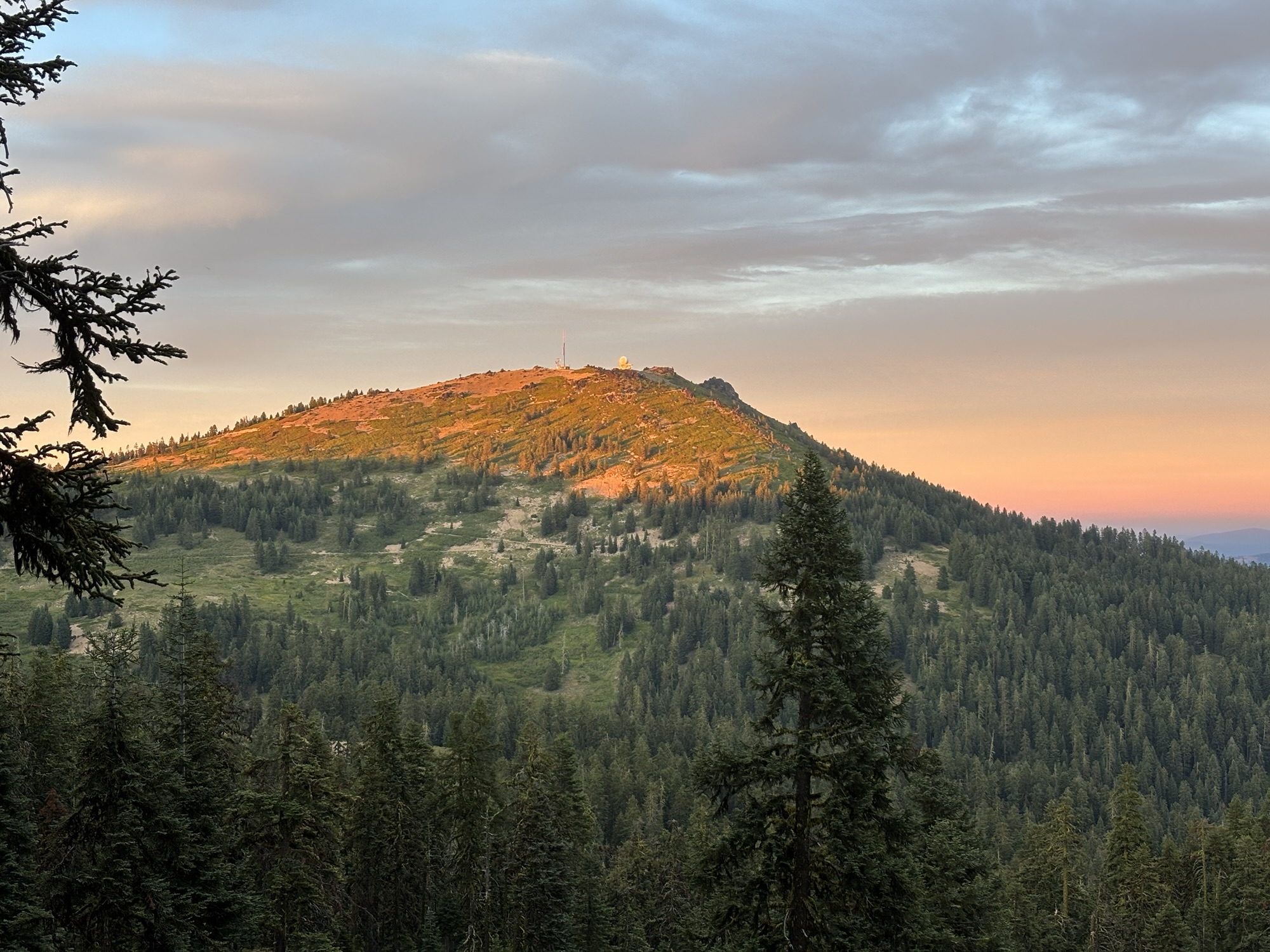
The last five miles were up a hill to the top of Mt Ashland (to visit “The Ball”), followed by a (very confusing to find due to poor course markings) downhill section to the finish. By that point, it was (1) dark, (2) over 17 hours, and (3) clear that I would finish. As mentioned earlier in this post, the final downhill was not the most runnable section of the course, with switchbacks on a single track as well as large and small granite rocks. Combined with the darkness and the mediocre headlamp I had, and I just decided to walk it in. A finish is a finish, and a broken ankle takes a long time to heal.

Course notes for future runners of this race
- Train altitude! You will need it
- Train uphill power-hiking! You will also need it
- Poles HIGHLY encouraged
- Add the course GPX to your watch. The course markings were really catastrophic (and I hate to say this, because I appreciate the race organizers so much for putting this race on). But … SO MANY people got lost on this course due to how far apart the course markings were, and how confusing they were at some key intersections. I personally did not get lost, but that’s because I basically stopped at every intersection to check with other runners to make sure we were going the right way. I also stopped when there were NO intersections, just because I was so paranoid that maybe I had missed a turn due to how far apart the ribbons were. I probably wasted 15-20 minutes just getting confused about the course.
- Plan for your own nutrition. The website wasn’t accurate. E.g. the website said there would be potatoes at the aid stations – and I had trained with potatoes as nutrition – and there were none. I was glad I brought my own calories.
Overall
This isn’t an inspirational or positive race report, because I don’t feel inspirational or positive about the race.
However, on the positive side:
- I have a real sense of what it’s going to take to do Cocodona 250, which I got into via lottery for May 2027. I am updating my training plan accordingly. Relevantly, if anyone wants to share an at-altitude Airbnb in Flagstaff for the week ahead of the race (end of April, race is first week in May), hit me up.
- I have a WSER qualifier for 2027 (fingers crossed I don’t get in for 2027 though!)
- The scenery was nice
- I got to meet ultrarunning legend Hal Koerner, who has won Western States and Hardrock and is the race director for this race. In a very cool overlap, he also won Rocky Raccoon 100 in 2012, which was the year that I ran it (my first 100!)
- Tactically, I finally figured out why I get chafing all the time – the shirt I was wearing for every race prior to this race does not make my skin happy. So that was a real win for gear.
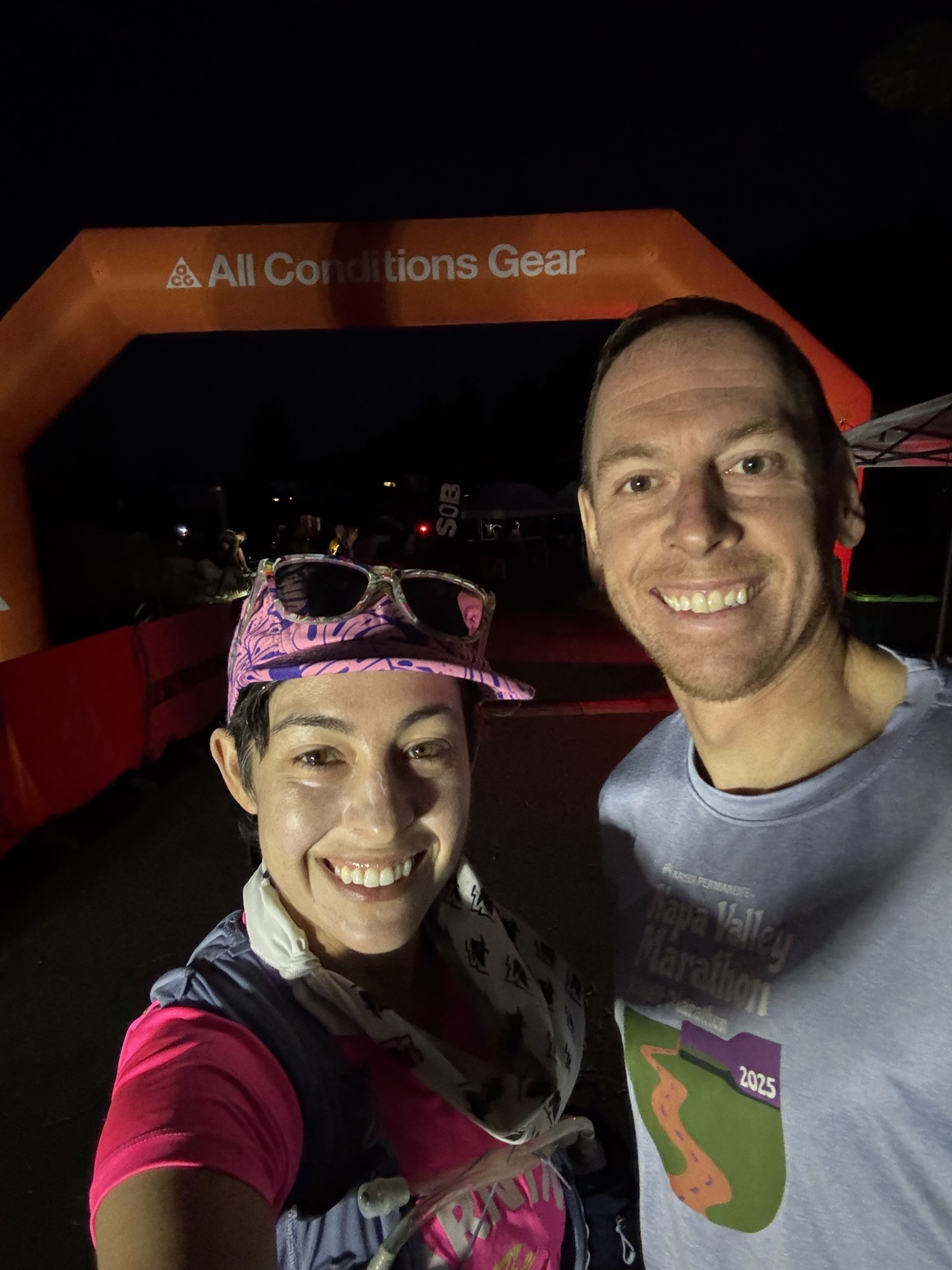
- I have a cool “SOB” sticker now.
On the negative side:
- I spent like 12 hours being really grumpy and frustrated, which isn’t a fun headspace to be in. Like, “not enjoying it” is literally the worst possible outcome for a race like this. I think I am most disappointed about how psychologically negative I felt throughout.
- I am not feeling any sense of pride or accomplishment for having finished it, which is also disappointing, since that’s one of the main reasons I do these things. Maybe I’ve done too many of these races.
- My confidence has taken a HUGE hit in terms of what I am capable of, due to how hard this race was. I think some of this feeling was an immediate post-race mental pothole, because I feel better today than I did a few days ago on this topic. I have to keep reminding myself that these races are hard, this race in particular was designed to be brutal (Hal was endearingly unapologetic when I spoke with him afterwards about how hard he made the course), and I have a very good track record of finishing hard races. So maybe I’ve just forgotten how hard some of these are, and maybe I can still do hard things. Only one way to find out.
Anyway, I hope this race report was useful for some. It wasn’t easy to write, because this wasn’t all sunshine and roses. But it was honest. Not all races are awesome, and it’s sometimes hard to admit that a finish is sometimes not enough, or not satisfying, or not something that you feel like celebrating.
Next up:
- I am considering signing up for Rio Del Lago 100M in November. Anyone want to join me?!
- Time to buy some new gear for Cocodona 250 and do other prep. If anyone has recommendations for where to rent an RV for that race, please let me know.
- … Rest, for a few weeks. I am tired.


2 Comments